Author: harlan

  • Why Professional Land Clearing Beats the DIY Route

    Why Professional Land Clearing Beats the DIY Route

    If you own raw or overgrown land in Texas, at some point you’ve probably stood at the edge of a brush-choked property and thought, “How hard could it be to clear this myself?” A rented brush hog, a weekend, maybe a friend with a chainsaw — it sounds doable. In practice, land clearing is one of those jobs that looks simple from the road and gets complicated fast once you’re standing in it. Here’s why bringing in a professional crew usually pays for itself.

    It’s Faster Than You Think — And Slower Than You Hope If You DIY

    Overgrown pasture, invasive brush, and stubborn root systems don’t clear themselves in an afternoon. What might take a homeowner several exhausting weekends with rented equipment, a skilled operator with the right machine can often knock out in a single day. That’s not just about convenience — every week your land sits uncleared is a week you’re not grazing it, building on it, or putting it to use.

    The Right Equipment Makes All the Difference

    This is where DIY plans usually run into trouble. Clearing brush, pulling stumps, and handling debris each call for different attachments — and most homeowners don’t have access to any of them, let alone all of them. A grapple bucket, for example, is built specifically for grabbing and hauling brush, logs, and debris without the constant re-gripping and spillage you’d get trying to muscle it by hand or with a standard bucket.

    We use ours on almost every clearing job. Here’s a quick look at it in action:

    That kind of purpose-built equipment isn’t just faster — it’s the difference between a clean, professional-looking job and a property that still looks half-done. You can see more of our work on our YouTube channel.

    You Avoid the Expensive Mistakes

    Land clearing has a way of hiding costly surprises: unmarked utility lines, drainage patterns you didn’t know existed, erosion-prone slopes, or protected trees you weren’t supposed to touch. An experienced crew has seen these issues before and knows how to work around them. A rented skid steer and good intentions won’t teach you that — usually you learn it the hard way, after the damage is done.

    The Results Actually Last

    Amateur clearing jobs often mean stumps and roots left behind, ready to resprout within a season. Professional clearing gets the root systems out, grades the ground properly, and leaves you with land that’s genuinely ready for what comes next — whether that’s pasture, a building pad, trails, or simply a property that looks cared for instead of half-fought.

    Bottom Line

    Land clearing isn’t just about brute force — it’s about the right equipment, the right experience, and knowing how to avoid the mistakes that turn a weekend project into a much bigger headache. If you’ve got a property that needs clearing, it’s worth talking to a crew that does this every day rather than renting equipment and hoping for the best.

    Ready to see what your land could look like? Reach out to iLandClearing to talk through your project.

    Loading

  • Austin Huns Rugby Ranch is Lit!

    Here’s a look at the field lighting project we helped bring to life at Huns Rugby Ranch in South East Austin. What used to be a field that went dark at sunset is now ready for evening practices, matches, and events — and it’s a good example of what actually goes into building a stadium-grade lighting system from the ground up.

    What Goes Into a Stadium Lighting Build

    Lighting a rugby pitch isn’t as simple as bolting a few fixtures to a pole. A proper build starts with site work: trenching for underground electrical runs, setting pole foundations that can handle wind load, and routing conduit so power gets to every fixture cleanly and safely. We handled the ground-level work here — digging the trench lines, prepping pole locations, and getting the site graded and ready for the electrical crew to bring the fixtures online.

    Getting this part right matters. Poorly planned trenching or foundation work causes problems for years — settling poles, exposed conduit, drainage issues around the base. Doing it correctly the first time means the lighting system holds up through seasons of play without the underlying sitework becoming a maintenance headache later.

    Why LED Stadium Lights Win Over Traditional Lighting

    Most new sports lighting projects — this one included — use LED fixtures instead of the old metal halide setups you’d see on older fields. The difference isn’t just brightness; it’s a full package of practical advantages:

    • Lower energy use. LED sports lighting typically uses a fraction of the wattage that metal halide fixtures need to produce comparable field illumination, which adds up fast when lights are running for practices and events several nights a week.
    • Longer fixture life. LED fixtures are commonly rated for tens of thousands of hours of use, far outlasting metal halide bulbs, which means fewer bucket-truck trips and less time spent on bulb replacement.
    • Instant on, instant off. Metal halide lights need a warm-up period to reach full brightness and a cool-down period before they can restrike. LEDs come on at full output immediately and can be switched off and on without waiting — useful for weather delays or last-minute schedule changes.
    • Better light control. LED fixtures can be aimed and shielded more precisely, which cuts down on light spill onto neighboring properties and reduces glare for players — a real consideration for a ranch surrounded by other land uses.
    • Lower heat output and better durability. Less wasted energy as heat means the fixtures run cooler and tend to hold up better outdoors over time.

    For a facility like Huns Rugby Ranch, that combination means lower long-term operating costs and a lighting system that’s ready to perform night after night without constant upkeep.

    The Result

    Here’s a quick video of the finished lighting project:

    If you’re planning a similar project — a practice field, a ranch arena, or any outdoor space that needs to work after dark — the sitework is where it starts. Reach out to iLandClearing to talk through what your property needs.

    Loading

  • Trenching Video!

    Warren made us an awesome video while digging several hundred meters of trench at the Austin Huns Rugby Ranch.

    Click that RED circular button in the lower right hand corner to call us now for your trenching needs!

    We can cut six inches wide by sixty inches deep!

    Always Call 811 Before You Dig

    Before any trench gets cut, the first call we make is to 811 — the national “call before you dig” line. It’s free, it’s required by law in Texas (and every other state) before digging, and it’s the single most important step in a trenching job. A few days after the call, the local utility companies come out and mark the approximate location of buried gas lines, water mains, electrical conduit, and fiber or telecom cable with flags or spray paint.

    Skipping this step is how trenching jobs turn into utility outages, gas leaks, or worse. A single missed line can mean a neighborhood without power, a damaged water main, or a serious safety hazard for the crew on site. Calling 811 costs nothing and takes a few minutes — running a machine blind through unmarked ground can cost thousands of dollars and put people at real risk. It’s not optional, and it’s not something we skip even on land we’ve worked before.

    Why Machine Trenching Beats Digging by Hand

    Cutting a trench by hand with picks and shovels is slow, physically brutal, and hard to keep straight and consistent over long runs. A trenching attachment changes the math completely. Instead of a crew spending days hand-digging a few hundred feet, a machine can cut that same run — clean, consistent width and depth the whole way — in a fraction of the time.

    That consistency matters as much as the speed. A hand-dug trench tends to wander in width and depth as the diggers tire or the ground changes. A machine holds a steady cut, which means pipe and conduit sit at the depth they’re supposed to, backfill is predictable, and there’s a lot less guesswork for whoever comes in behind us to lay utilities.

    Running Multiple Utilities in One Trench

    One of the most efficient parts of a well-planned trenching job is that you don’t need a separate trench for every utility. Water lines, electrical conduit, and communication or data lines can often share the same trench, stacked at different depths with proper separation between them. Electrical typically sits deeper than data/communication lines, and each utility is separated by enough backfill to meet code and prevent interference or damage between lines.

    Running utilities together this way cuts down on how much ground gets disturbed, speeds up the overall project, and reduces cost compared to digging, backfilling, and re-grading a separate trench for every single line. It’s a big part of why planning the trench layout carefully before cutting — after the 811 locates are marked — makes such a difference in how smoothly the rest of the job goes.

    If you’ve got a property that needs trenching done right — locates called, depths planned, and utilities laid out efficiently — reach out to iLandClearing to talk through your project.
    Loading

  • ProFab Rock Bucket

    This insane rock bucket was made by ProFab Welding & Fabrication out in Mason, Texas — and it might be the toughest attachment in our whole lineup.

    On the way back out to Terlingua on my last trip, I swung by ProFab’s shop on State Highway 29 to pick up this rock bucket, and it did not disappoint. The second it came off the trailer, it was obvious this thing was built by people who actually understand what a rock bucket has to survive out here — not some mass-produced attachment stamped out on an assembly line somewhere. Every seam is clean, every weld looks like it means business, and the whole thing has the kind of overbuilt heft that tells you it was made to take a beating and keep coming back for more.

    Who’s Behind It: ProFab Welding & Fabrication

    ProFab Welding & Fabrication is a small Texas Hill Country shop based in Mason — the kind of operation where custom metal work is still done by hand, one project at a time, instead of off a production line. They run the full range: custom gates and entrances, metal art, signs, heavy-duty ranch and ag attachments, and plenty of oilfield and industrial fabrication work for the surrounding area.

    That range shows in what they build. Alongside attachments like this rock bucket, their shop turns out rock screens, brush rakes, work-basket platforms for skid steers and forklifts, custom trailers, and one-off metal designs for whatever a customer needs built. It’s the kind of shop that can weld a decorative garden gate one day and a piece of heavy equipment gear the next — and treat both jobs with the same level of craftsmanship.

    Why This Bucket Earns Its Keep

    Land clearing and rock work chew through cheap equipment fast. Loose rock, caliche, and root balls put a beating on any attachment that isn’t built right, and a bucket that flexes, cracks, or wears through in the first season isn’t saving anyone money. This one is a different animal — RED, heavy, and clearly engineered for the abuse rock handling dishes out.

    It’s paired perfectly with our Kubota SVL 75-3, and the two work together like they were made for each other. Excellent carrying capacity, a shape that bites into loose rock and debris instead of pushing it around, and the kind of build quality that means we’re not babying it on site. When a job calls for moving rock, this is the attachment we reach for.

    Here’s a quick look at it in action:

    If you’ve got rock-heavy land that needs clearing, reach out to iLandClearing — we’ve got the right gear (and the right people building it) to get the job done.

    Loading

  • Our Work in Austin

    We’ve been working the past few weeks at the Hun’s Rugby Ranch in South East Austin off MLK and 183. It has been an awesome project, fixing the roads around the fields, leveling out a parking lot (that was absolutely infested with invasive bamboo!)

    We probably invested about 100 hours on this project and are looking forward to a continued partnership going forward!

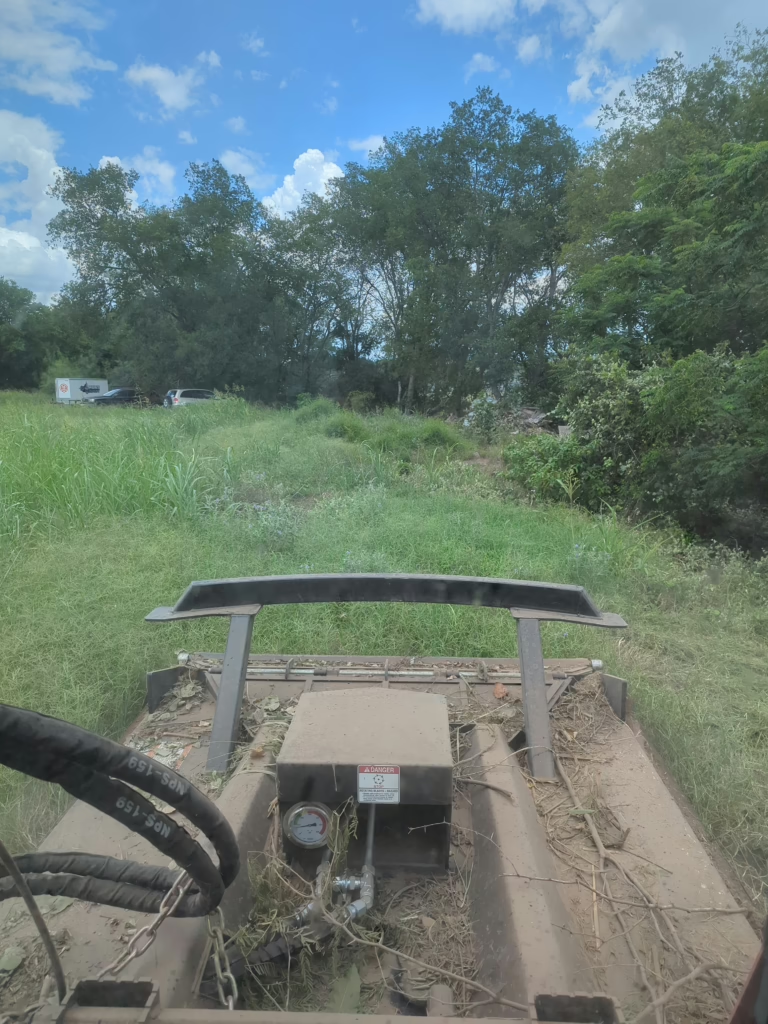
    Our Mower/Shredder Deck working at The Huns' Rugby Ranch
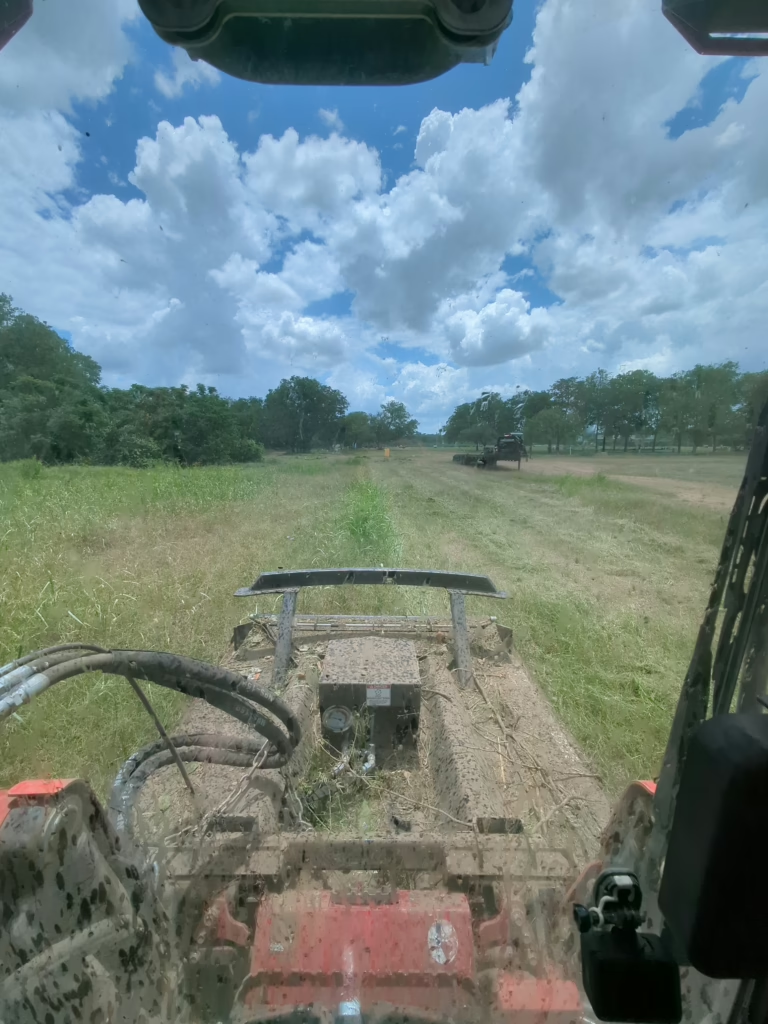
    Mowing down overgrowth
    Mowing the soon to be third field
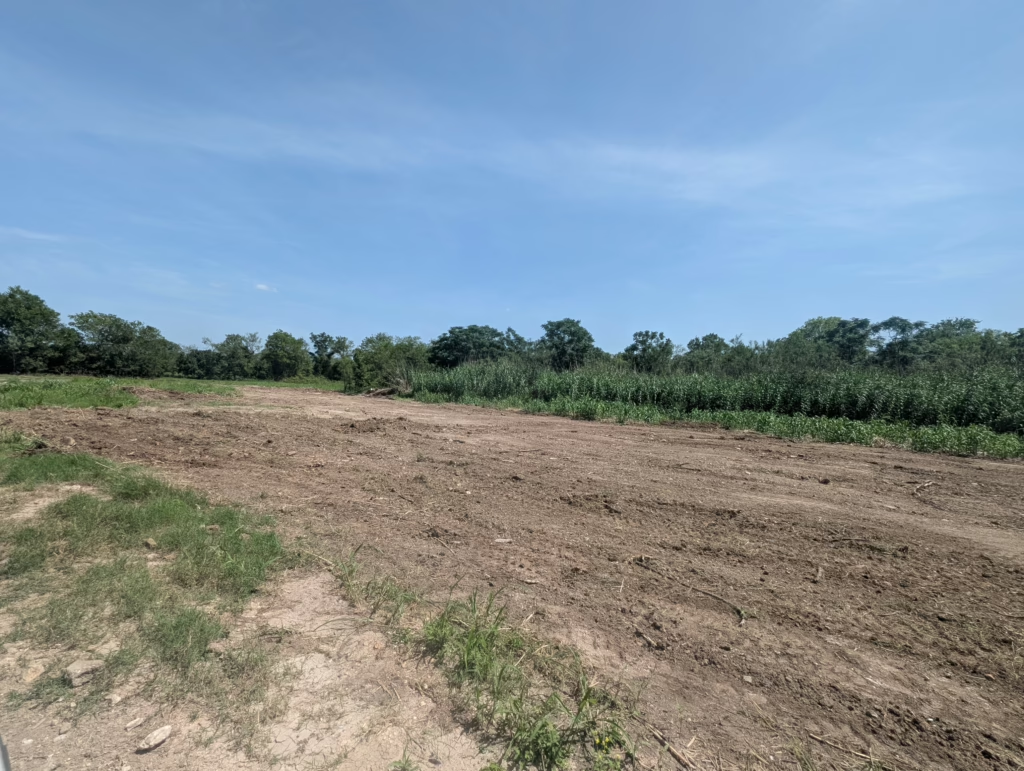
    Cleared invasive bamboo with the mower deck and scraped the topsoil down to expose roots and level the land.
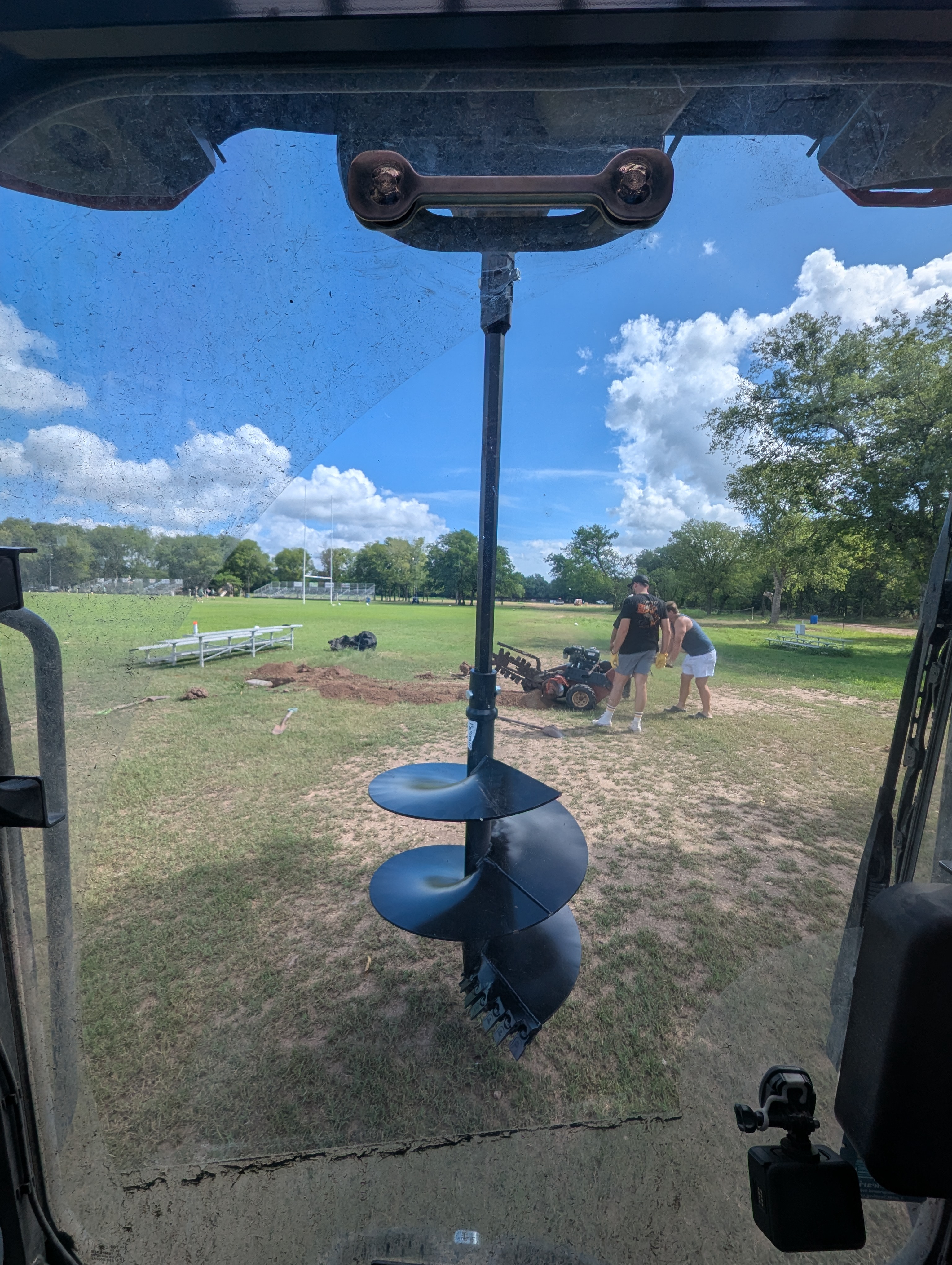
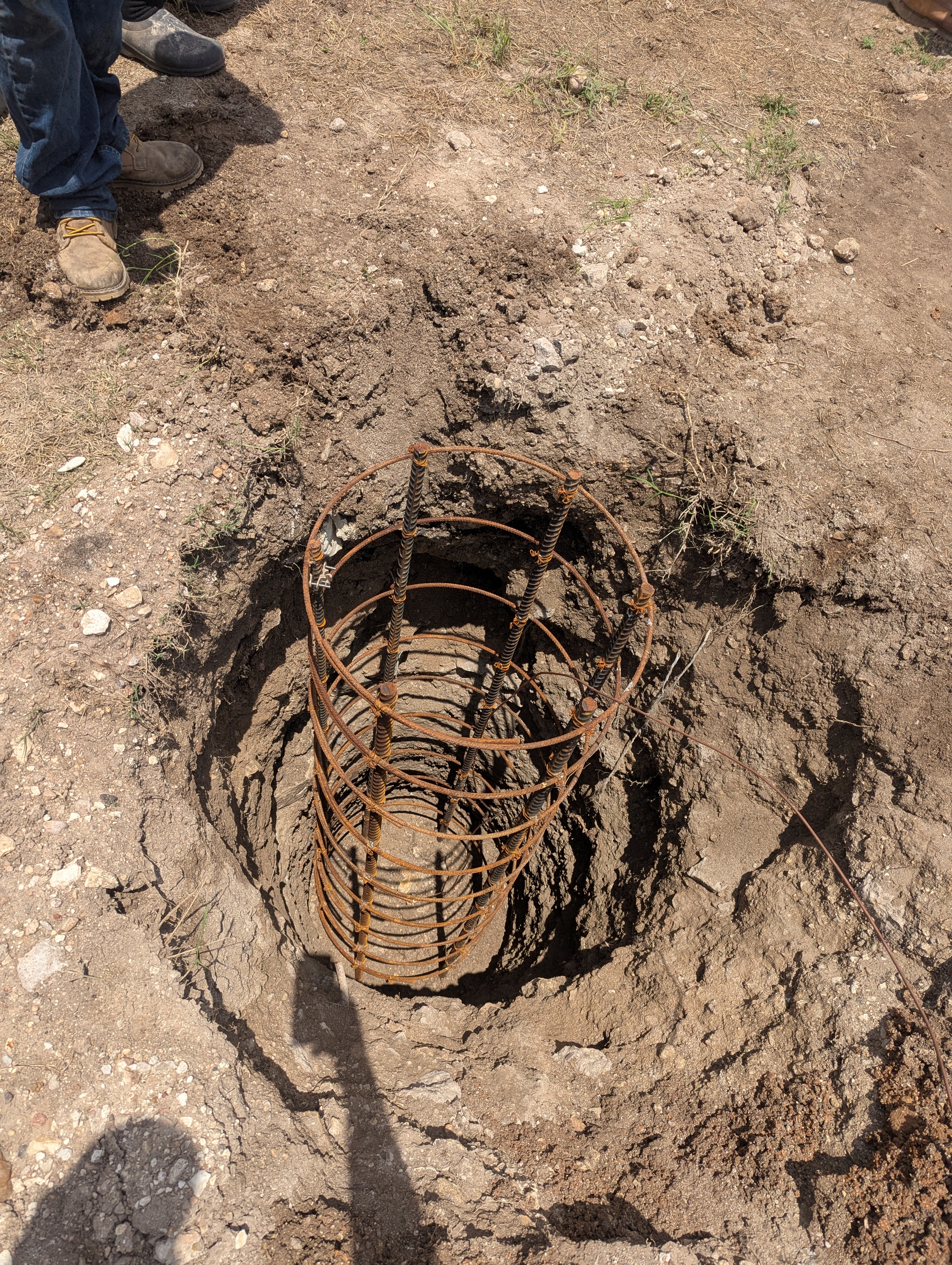
    With a thirty inch auger for light poles with a four foot extension. We can dig up to a 10′ deep hole!
    Installed the rebar cages with ground rod and clamp
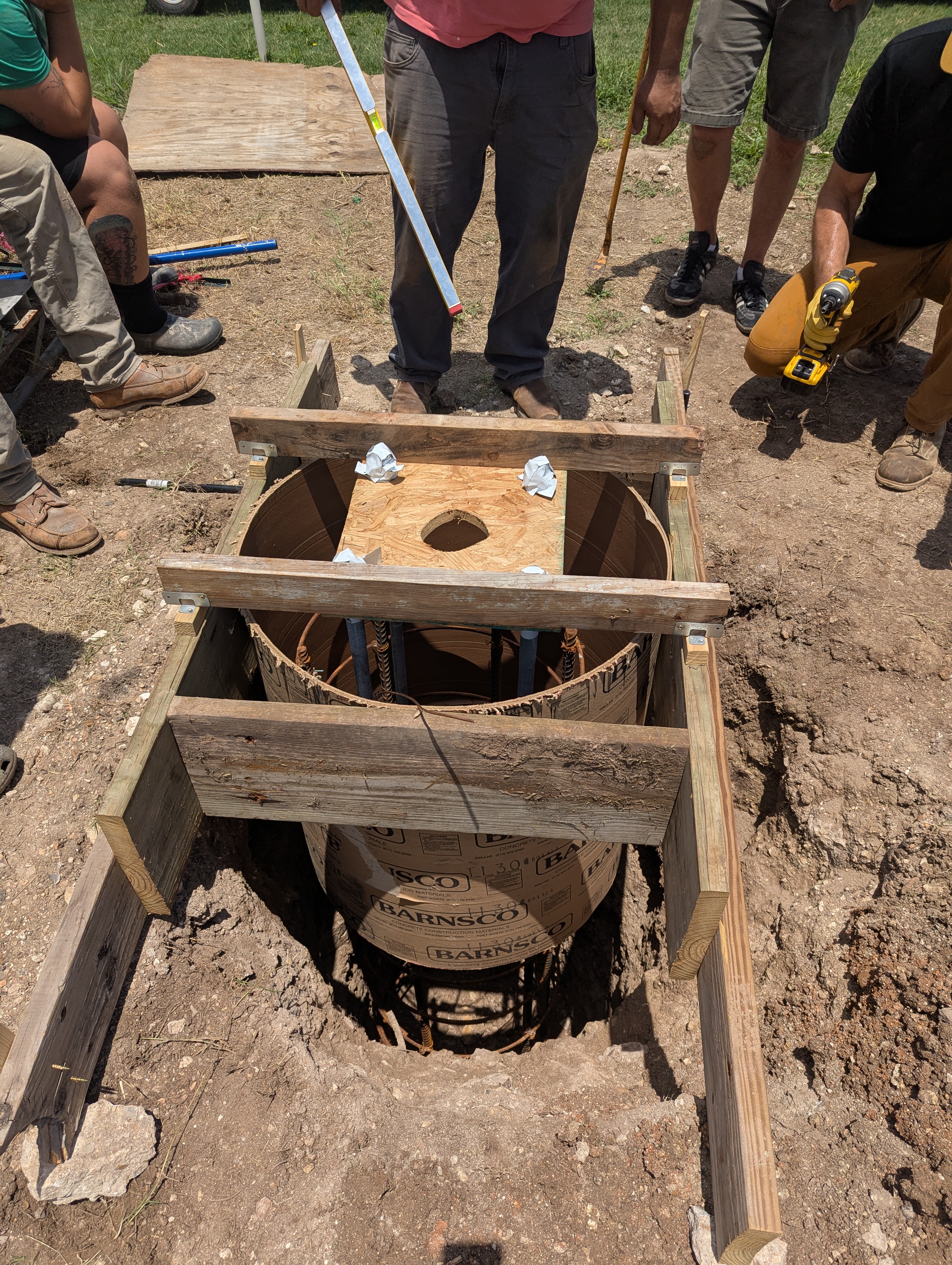
    Setup the forms, mounting platform J hooks and are ready for concrete!

    Loading

  • Our Work in Terlingua

    Above, we are grading and widening a road that was rough cut. Towards the end of the video we test the road with our 20′ gooseneck and discover that a couple of the turns are still a little too tight.

    Below we are installing 24′ steel posts in the ground for a shade structure. We performed a final scrape of the road and leveled out the job site for ease of future construction.

    In the video below, the owner of this dome house wanted more earthen material placed on top. Due to the proximity of propane tanks it was not safe for us to travel on top of the home, we placed as much material on the side as we could reach, and created a dry stack of large rocks surrounding the right side of the entryway.

    For WoodGate Road, we regraded the road that reaches the interior of this property from the highway. This road was crossed by two dry creeks and needed some erosion control.

    On the way back out to Terlingua my last trip, I stopped in at ProFab Welding in Mason, Texas to pick up this really nice (and RED!) rock bucket. Let me tell you, it is extremely well built and has excellent carrying capacity. It is well paired with my SVL 75-3 https://www.profabweld.com/

    Loading

  • Building a Parking Lot

    Rough cut a parking lot for Huns Rugby Ranch in Austin, Texas yesterday. What a great location! We used the Kubota rotary shredder/mulcher.

    About Huns Rugby Ranch

    Huns Rugby Ranch supports the Austin Huns Rugby Football Club, one of the oldest rugby clubs in Central Texas — founded in 1972 when the second side of the Austin Rugby Club broke away to form its own team. Since then, the Huns have grown into one of the largest rugby clubs in the country, fielding men’s teams across all three USA Rugby 15s divisions plus a National 7s program, and they won the USA Rugby Division 1 Men’s Championship in 2017. The club also runs one of the largest youth rugby programs in the state, built around an inclusive “big tent” philosophy that welcomes players of every background.

    A club that size needs real infrastructure to match — training fields, event space for tournaments, and somewhere for players, coaches, and fans to actually park when they show up. That’s where projects like this one come in.

    Why Site Prep Matters for a Parking Lot

    A parking lot is only as good as the ground underneath it, and that starts long before anyone thinks about gravel or asphalt. Before a lot can be graded and built up, the site has to be cleared and rough cut — knocking down brush, grass, and vegetation so the ground underneath is actually visible and workable. Skip this step and you’re building on top of root systems and organic material that will settle, shift, and create dips and soft spots once the lot sees regular traffic.

    Rough cutting with a rotary shredder/mulcher, like we did here, clears that vegetation quickly and leaves mulch behind instead of debris that has to be hauled off — a big time and cost saver on a property this size. From there, the ground can be properly graded for drainage (nobody wants a parking lot that turns into a pond after a Hill Country downpour), compacted to handle vehicle weight, and built up with base material if the project calls for it.

    Here’s the rough cut in action:

    Planning a parking lot, event space, or any other project that starts with clearing ground? Reach out to iLandClearing — the site prep is where every good project starts.

    Loading

  • Building Roads

    We are having a great time building roads on private property in the Terlingua and Blanco areas. First we groom the trail to remove any vegetation, then we use the box blade to act as a cheese grader and flatten the area we want to create the trail or road. When we are done creating the space, we come back with the bucket to fill in any low spots and back drag the pathway to cover any track marks and help the dirt and rocks settle in. Any vegetation that is replantable we will relocate to somewhere along side the road, or somewhere else on the property.

    Dumping gravel base material to build a ranch road

    What Goes Into a Good Ranch Road

    A road that actually holds up over time takes more than just clearing a path and driving over it a few times. Once the ground is graded flat with the box blade, we shape a slight crown into the surface — a gentle high point down the center that sheds rainwater to the sides instead of letting it pool and turn the road into a mess after the next storm. Low spots get filled in with the bucket, and anything soft or unstable gets compacted so it doesn’t wash out or rut under vehicle weight.

    On properties where the native soil isn’t stable enough on its own — sandy stretches, loose caliche, or anything prone to washing out — we’ll bring in and spread a gravel or base material to give the road a solid, all-weather surface. That’s the kind of work you see above: dumping and spreading gravel to build up a section of road so it stays passable even after heavy rain, not just on a dry day.

    Why It’s Worth Doing Right

    A properly built road isn’t just about convenience getting from the front gate to the back pasture. On larger properties, a well-graded road doubles as a firebreak and an access lane for emergency vehicles if it’s ever needed. It protects your other equipment and vehicles from the wear and tear of driving over rough, ungraded ground, and it holds up season after season instead of needing to be redone every year. For ranch and rural property owners, that kind of infrastructure adds real, lasting value to the land.

    Whether it’s a short driveway or miles of ranch road across Terlingua, Blanco, or anywhere else in Texas, reach out to iLandClearing to talk through what your property needs.

    Loading

  • Armstrong Grapple Bucket

    Revolutionize Your Workflow with Armstrong AG’s Grapple Bucket

    When it comes to heavy-duty tasks in agriculture, construction, or land management, having the right equipment can make all the difference. Armstrong AG’s Grapple Bucket is not just another attachment; it’s a game-changer designed to maximize productivity and efficiency while minimizing effort. Here’s why this powerful tool deserves a spot in your equipment lineup.

    Built for Strength and Durability

    Armstrong AG has a reputation for producing rugged, long-lasting equipment, and their Grapple Bucket is no exception. Crafted from high-quality steel and engineered for heavy loads, this bucket is designed to tackle the toughest tasks. Whether you’re hauling logs, clearing debris, or managing bulky materials, the grapple’s robust construction ensures reliability in even the most demanding environments.

    Versatility at Its Finest

    One of the standout features of Armstrong AG’s Grapple Bucket is its versatility. It’s ideal for a wide range of applications, including:

    • Land Clearing: Effortlessly remove trees, brush, and roots to prepare your land for planting or construction.
    • Debris Cleanup: Quickly collect and transport waste, saving time on post-storm cleanups or large-scale projects.
    • Material Handling: Securely grasp and move materials like rocks, scrap metal, or hay bales without missing a beat.

    The grapple’s precision engineering allows for smooth operation, making it easy to pick up and maneuver even awkwardly shaped loads.

    Enhancing Productivity

    Time is money, and the Grapple Bucket is designed with efficiency in mind. Its dual-clamp design ensures a firm grip on materials, reducing the need for multiple trips. The wide opening and powerful clamping action enable operators to handle large volumes in a single go, cutting down on time spent on each task. Additionally, the bucket’s design minimizes spillage, ensuring you make the most out of every load.

    Ease of Use and Compatibility

    Armstrong AG understands that simplicity matters. The Grapple Bucket is compatible with most skid steers, tractors, and loaders, including the our Kubota 75-3. Its straightforward attachment process ensures we make the best of our onsite time possible. Plus, the intuitive controls make it easy for operators of all skill levels to use effectively.

    At iLandClearing.com, we trust Armstrong AG’s Grapple Bucket for our land clearing projects. Its reliability and performance have made it an essential part of our workflow, allowing us to deliver top-notch results for our clients.

    Why Choose Armstrong AG?

    Choosing Armstrong AG means investing in American-made quality. Made locally to us in Brenham Texas, and with a commitment to innovation and customer satisfaction, Armstrong AG products are built to exceed expectations. Their Grapple Bucket not only enhances productivity but also offers us a long-term solution to our land management needs.

    Check out our YouTube video below and don’t forget to subscribe for more content!

    Loading

  • How to Install a GoPro on Kubota SVL Cab

    Today we install a GoPro on a brand spanking new track steer as we start our adventure in land clearing.

    Why the Kubota SVL75-3 Is Built for This Work

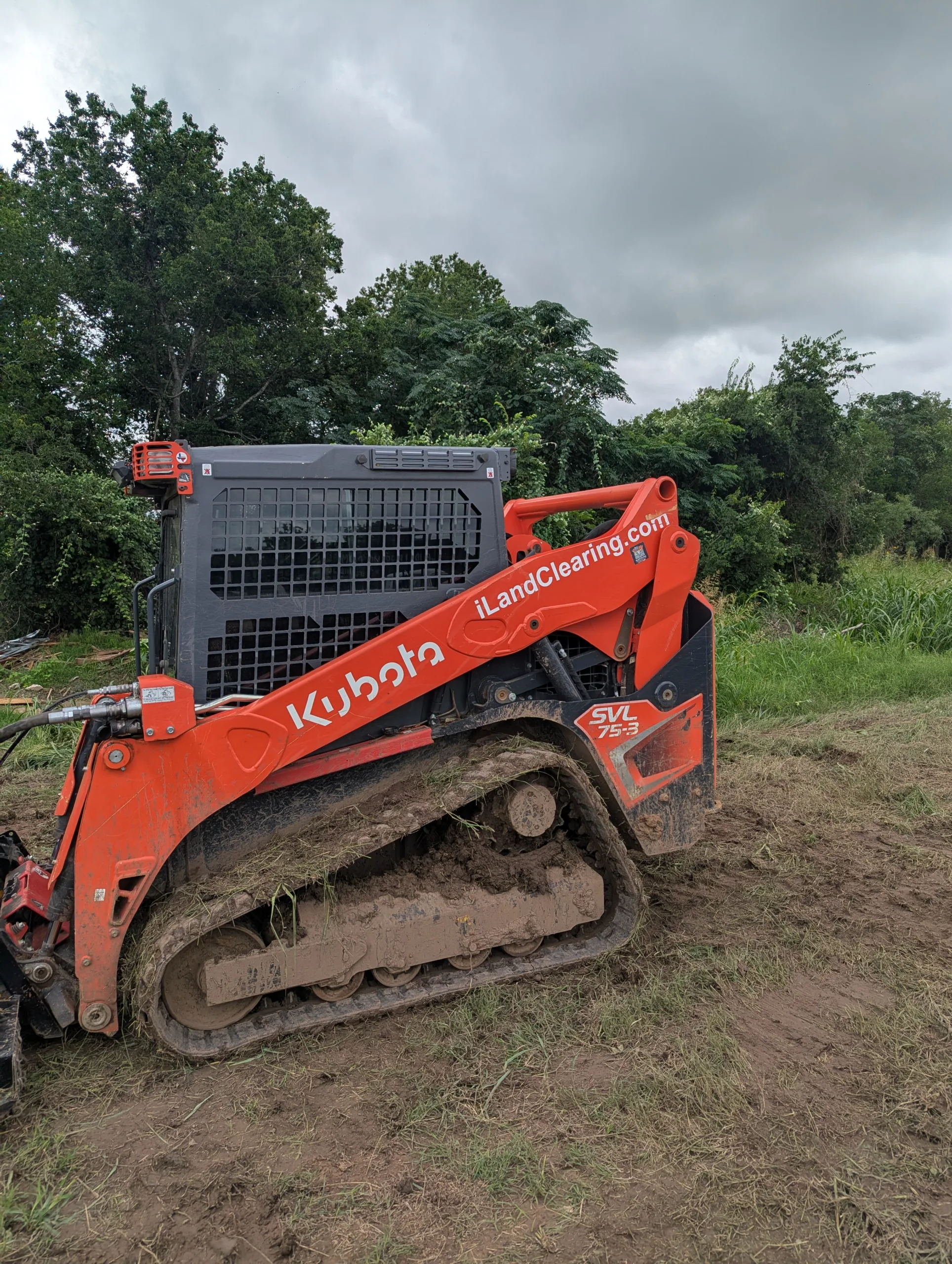
    The machine in this video is our Kubota SVL75-3, and it’s become the backbone of everything we do at iLandClearing.com. It’s powered by a 74.3-horsepower Kubota diesel engine with strong torque, and it’s rated to handle a bucket breakout force of over 6,100 lbs — enough muscle for clearing brush, moving material, grading, and digging without slowing down.

    What really makes it earn its keep is the Advanced Multifunction Valve, which lets us run the bucket, loader arm, and auxiliary hydraulics all at the same time. That matters a lot when we’re running attachments like a grapple, auger, or mulcher head — smoother, more responsive control means faster work and fewer stalls out in the field. The sealed cab keeps dust and debris out of the operator’s space, which is no small thing on a dusty Texas job site, and the 2-speed travel gets us moving quickly between spots on larger properties. Whether we’re clearing raw land, cutting a trench, building a road, or working a straight-up construction project like a parking lot or a sports facility, the SVL75-3 is the machine that gets it done.

    Why We Use a GoPro Hero 13 to Document the Work

    Every project we run gets documented, and the GoPro Hero 13 Black has become our go-to camera for it. It shoots up to 5.3K video at 60 frames per second, which gives us plenty of resolution to crop, stabilize, and edit footage for our YouTube channel without losing quality. HyperSmooth 6.0 stabilization is the real workhorse feature here — mounted on a piece of equipment that’s bouncing over rough ground all day, in-camera stabilization means the footage comes out smooth without needing a gimbal or heavy post-production work.

    It’s also built for the environment we actually work in. The Hero 13 is waterproof and rugged enough to handle dust, mud, and vibration on a job site, and the longer-running Enduro battery means it can keep rolling through a full day of clearing or trenching without constant battery swaps. Mounting it inside the cab, like we show in this video, gives viewers a real operator’s-eye view of what a project actually looks like from start to finish — which is exactly the kind of footage that makes our project videos useful to people scoping out their own land clearing jobs, not just fun to watch.

    Planning a project that could use documentation like this, or just want to see more of our equipment in action? Reach out to iLandClearing, or subscribe to our YouTube channel to follow along.

    Loading