Tag: Rugby

  • Austin Huns Rugby Ranch is Lit!

    Here’s a look at the field lighting project we helped bring to life at Huns Rugby Ranch in South East Austin. What used to be a field that went dark at sunset is now ready for evening practices, matches, and events — and it’s a good example of what actually goes into building a stadium-grade lighting system from the ground up.

    What Goes Into a Stadium Lighting Build

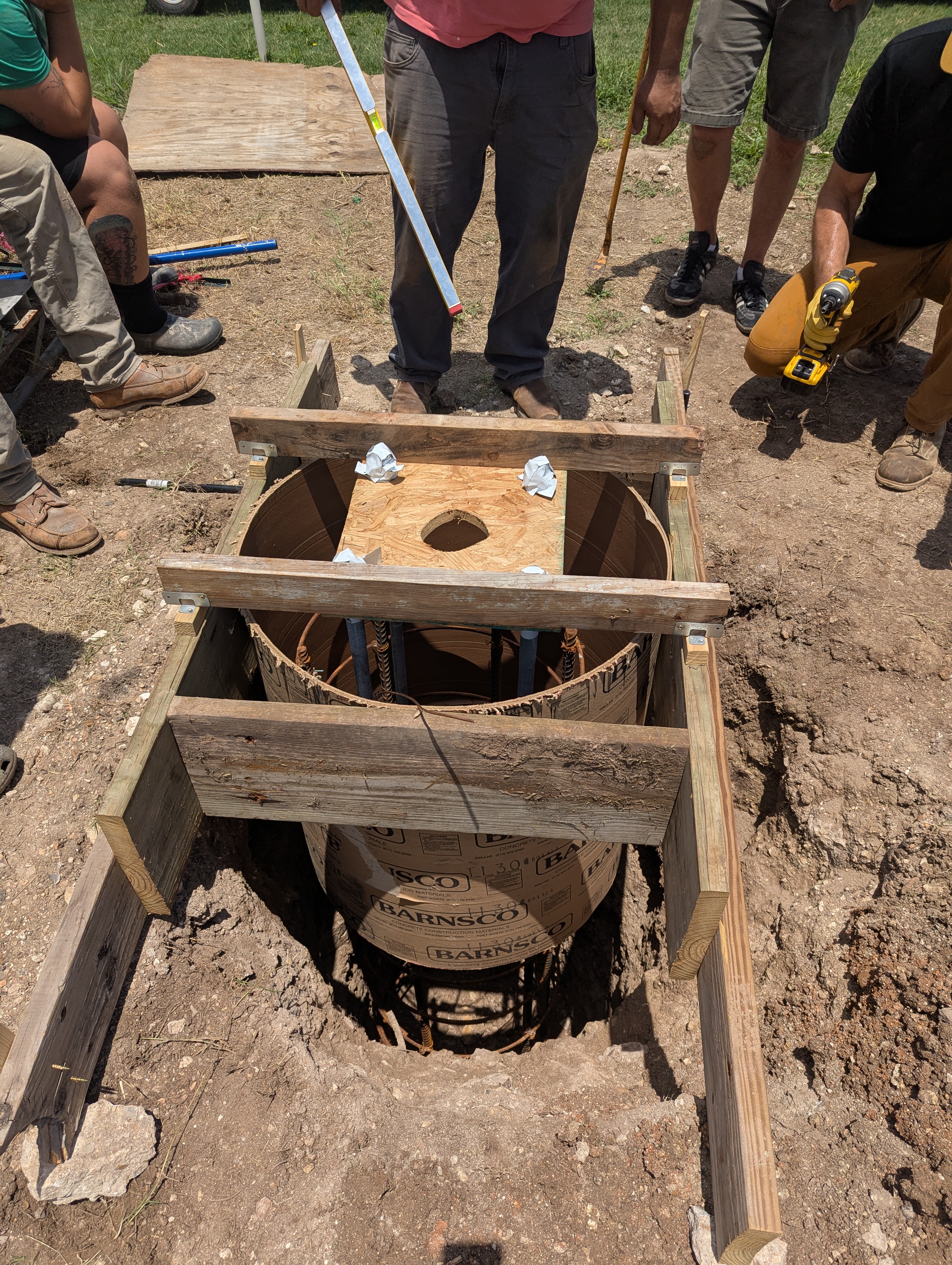
    Lighting a rugby pitch isn’t as simple as bolting a few fixtures to a pole. A proper build starts with site work: trenching for underground electrical runs, setting pole foundations that can handle wind load, and routing conduit so power gets to every fixture cleanly and safely. We handled the ground-level work here — digging the trench lines, prepping pole locations, and getting the site graded and ready for the electrical crew to bring the fixtures online.

    Getting this part right matters. Poorly planned trenching or foundation work causes problems for years — settling poles, exposed conduit, drainage issues around the base. Doing it correctly the first time means the lighting system holds up through seasons of play without the underlying sitework becoming a maintenance headache later.

    Why LED Stadium Lights Win Over Traditional Lighting

    Most new sports lighting projects — this one included — use LED fixtures instead of the old metal halide setups you’d see on older fields. The difference isn’t just brightness; it’s a full package of practical advantages:

    • Lower energy use. LED sports lighting typically uses a fraction of the wattage that metal halide fixtures need to produce comparable field illumination, which adds up fast when lights are running for practices and events several nights a week.
    • Longer fixture life. LED fixtures are commonly rated for tens of thousands of hours of use, far outlasting metal halide bulbs, which means fewer bucket-truck trips and less time spent on bulb replacement.
    • Instant on, instant off. Metal halide lights need a warm-up period to reach full brightness and a cool-down period before they can restrike. LEDs come on at full output immediately and can be switched off and on without waiting — useful for weather delays or last-minute schedule changes.
    • Better light control. LED fixtures can be aimed and shielded more precisely, which cuts down on light spill onto neighboring properties and reduces glare for players — a real consideration for a ranch surrounded by other land uses.
    • Lower heat output and better durability. Less wasted energy as heat means the fixtures run cooler and tend to hold up better outdoors over time.

    For a facility like Huns Rugby Ranch, that combination means lower long-term operating costs and a lighting system that’s ready to perform night after night without constant upkeep.

    The Result

    Here’s a quick video of the finished lighting project:

    If you’re planning a similar project — a practice field, a ranch arena, or any outdoor space that needs to work after dark — the sitework is where it starts. Reach out to iLandClearing to talk through what your property needs.

    Loading

  • Trenching Video!

    Warren made us an awesome video while digging several hundred meters of trench at the Austin Huns Rugby Ranch.

    Click that RED circular button in the lower right hand corner to call us now for your trenching needs!

    We can cut six inches wide by sixty inches deep!

    Always Call 811 Before You Dig

    Before any trench gets cut, the first call we make is to 811 — the national “call before you dig” line. It’s free, it’s required by law in Texas (and every other state) before digging, and it’s the single most important step in a trenching job. A few days after the call, the local utility companies come out and mark the approximate location of buried gas lines, water mains, electrical conduit, and fiber or telecom cable with flags or spray paint.

    Skipping this step is how trenching jobs turn into utility outages, gas leaks, or worse. A single missed line can mean a neighborhood without power, a damaged water main, or a serious safety hazard for the crew on site. Calling 811 costs nothing and takes a few minutes — running a machine blind through unmarked ground can cost thousands of dollars and put people at real risk. It’s not optional, and it’s not something we skip even on land we’ve worked before.

    Why Machine Trenching Beats Digging by Hand

    Cutting a trench by hand with picks and shovels is slow, physically brutal, and hard to keep straight and consistent over long runs. A trenching attachment changes the math completely. Instead of a crew spending days hand-digging a few hundred feet, a machine can cut that same run — clean, consistent width and depth the whole way — in a fraction of the time.

    That consistency matters as much as the speed. A hand-dug trench tends to wander in width and depth as the diggers tire or the ground changes. A machine holds a steady cut, which means pipe and conduit sit at the depth they’re supposed to, backfill is predictable, and there’s a lot less guesswork for whoever comes in behind us to lay utilities.

    Running Multiple Utilities in One Trench

    One of the most efficient parts of a well-planned trenching job is that you don’t need a separate trench for every utility. Water lines, electrical conduit, and communication or data lines can often share the same trench, stacked at different depths with proper separation between them. Electrical typically sits deeper than data/communication lines, and each utility is separated by enough backfill to meet code and prevent interference or damage between lines.

    Running utilities together this way cuts down on how much ground gets disturbed, speeds up the overall project, and reduces cost compared to digging, backfilling, and re-grading a separate trench for every single line. It’s a big part of why planning the trench layout carefully before cutting — after the 811 locates are marked — makes such a difference in how smoothly the rest of the job goes.

    If you’ve got a property that needs trenching done right — locates called, depths planned, and utilities laid out efficiently — reach out to iLandClearing to talk through your project.

    Loading

  • Our Work in Austin

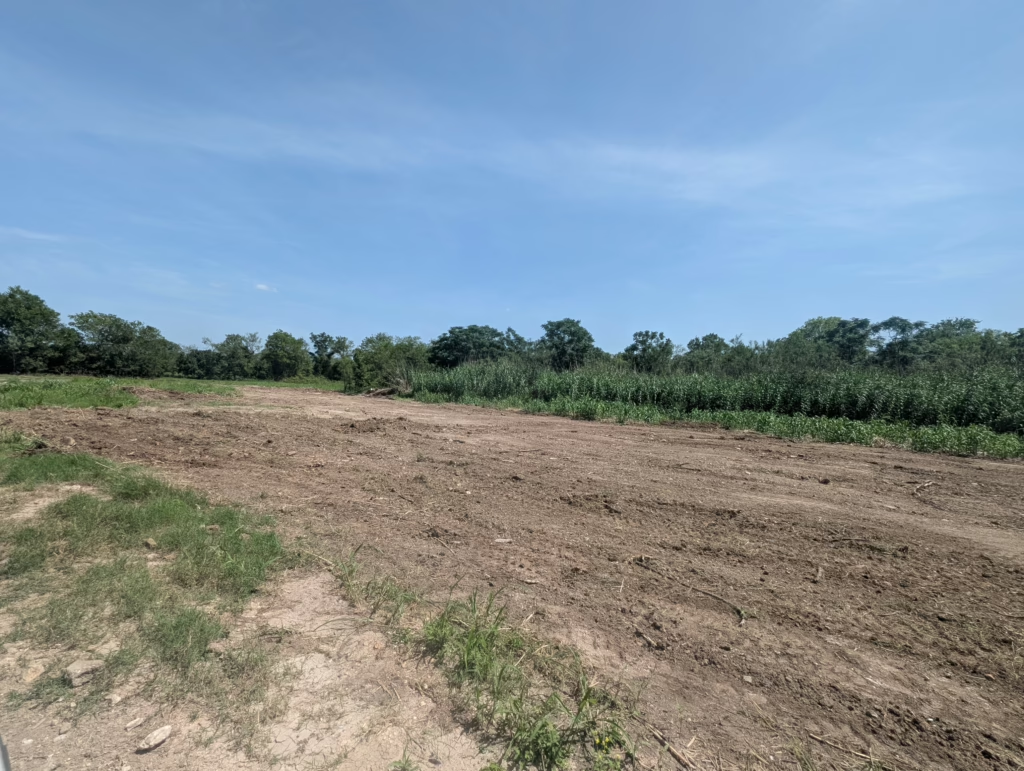
    We’ve been working the past few weeks at the Hun’s Rugby Ranch in South East Austin off MLK and 183. It has been an awesome project, fixing the roads around the fields, leveling out a parking lot (that was absolutely infested with invasive bamboo!)

    We probably invested about 100 hours on this project and are looking forward to a continued partnership going forward!

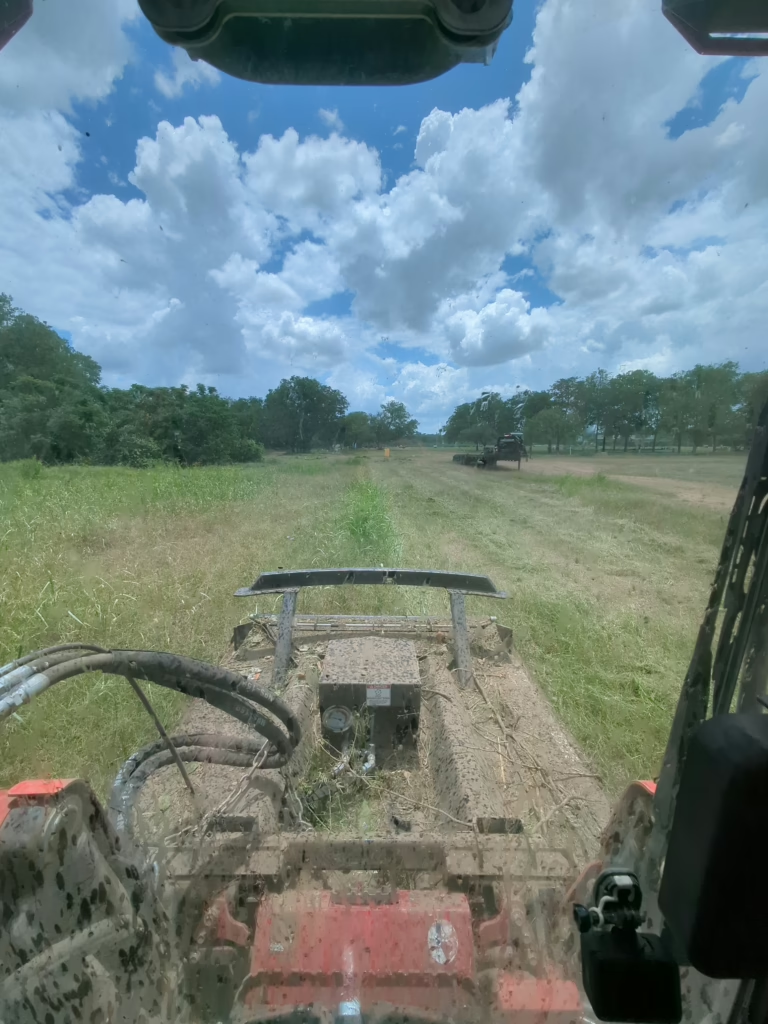
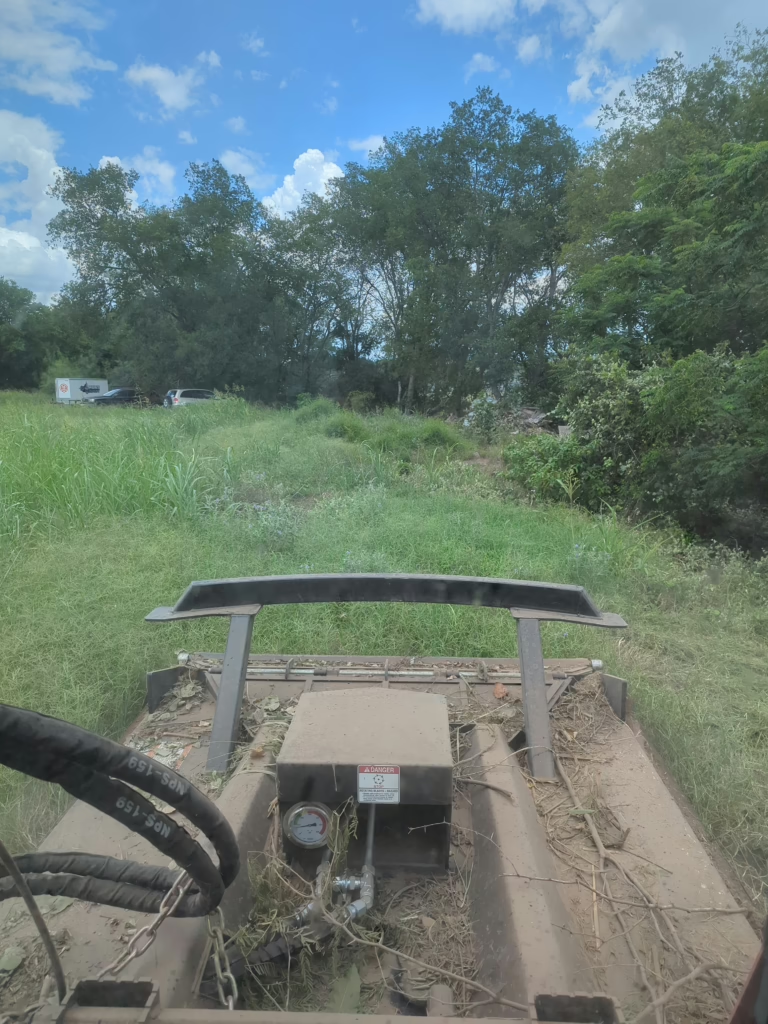
    Our Mower/Shredder Deck working at The Huns' Rugby Ranch
    Mowing down overgrowth
    Mowing the soon to be third field
    Cleared invasive bamboo with the mower deck and scraped the topsoil down to expose roots and level the land.
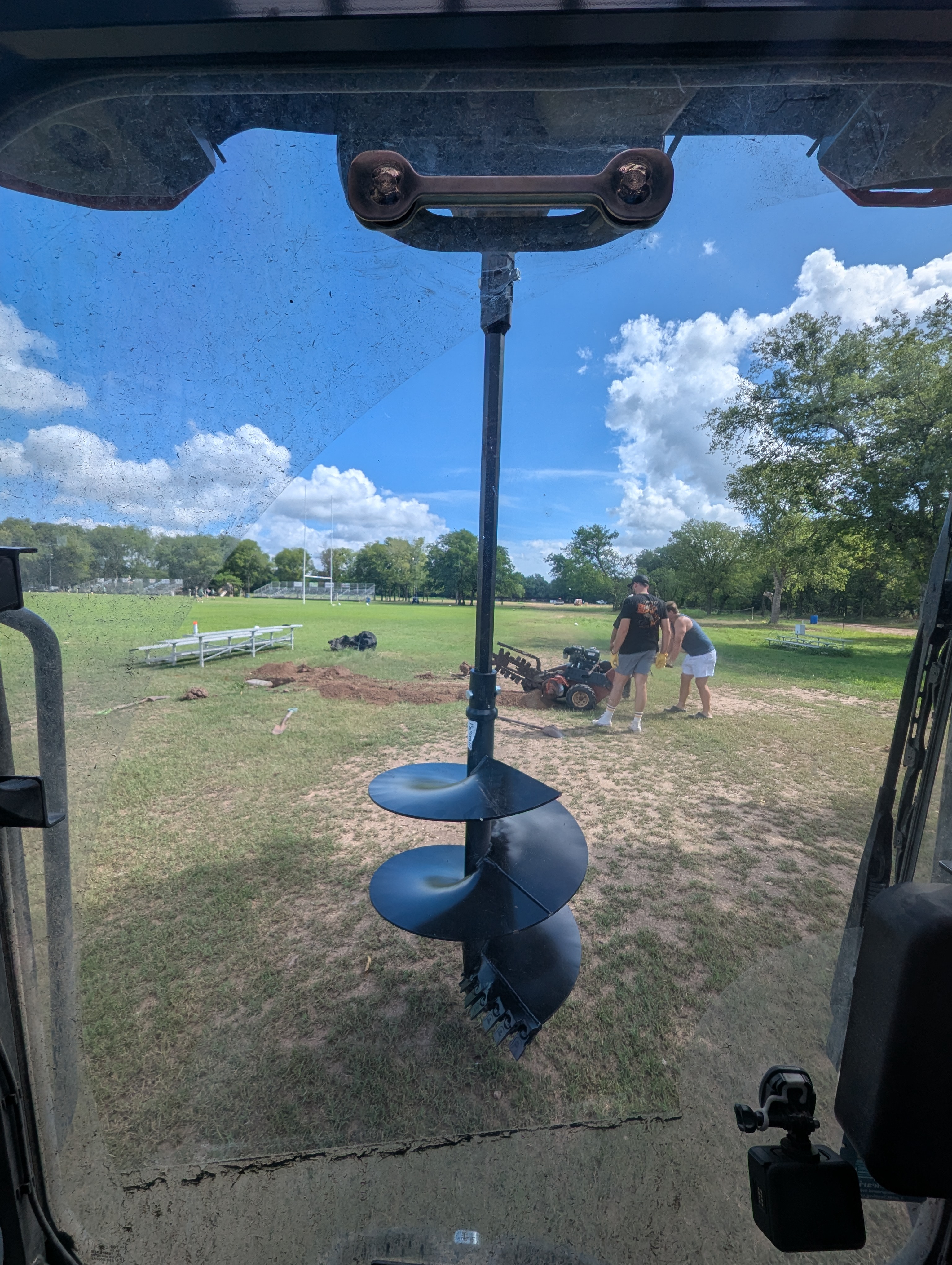
    With a thirty inch auger for light poles with a four foot extension. We can dig up to a 10′ deep hole!
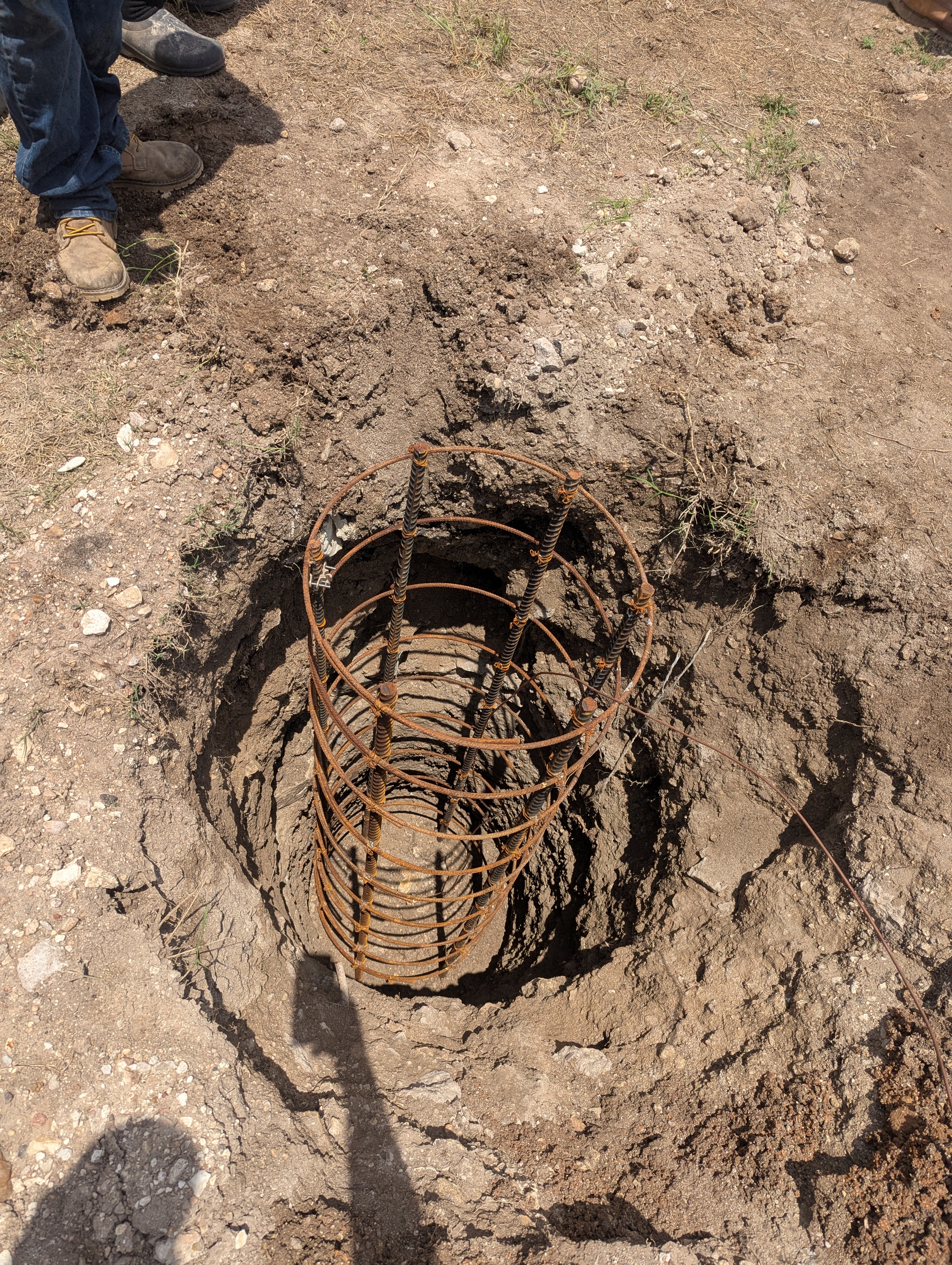
    Installed the rebar cages with ground rod and clamp
    Setup the forms, mounting platform J hooks and are ready for concrete!

    Loading