Cedar Removal
Cedar — properly called Ashe juniper — is the single biggest land management problem across the Texas Hill Country. Left unchecked, it spreads fast, crowds out native oaks and grasses, and draws heavily on groundwater that would otherwise feed springs, creeks, and wells. Cedar removal is often the single most valuable thing you can do for a property.
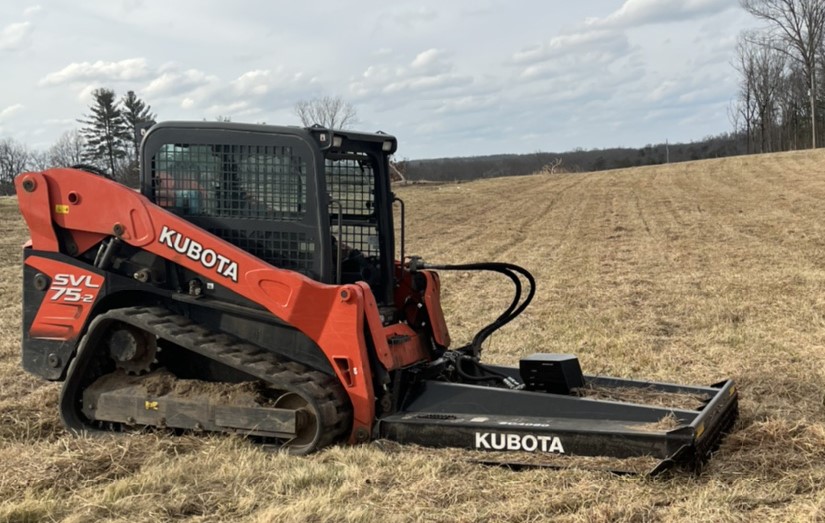
Selective Where It Counts
We don’t just knock down everything green. Founder Harlan Stanley walks every property personally to see which cedar is choking out oaks and native grasses and which trees are worth keeping, then clears with that plan in mind. The result is land that opens back up for grazing, building, or recreation — without losing the trees that were never the problem in the first place.
We’re owner-operated, so the person who plans the clearing is the same person running the equipment — no subcontractors guessing at what should stay and what should go.
How Cedar Removal Works
- Walk & mark — We identify which cedar is crowding oaks, natives, or groundwater and which stands are worth leaving.
- Cut or mulch — Depending on density and terrain, cedar is cut and stacked or ground in place with a mulching head.
- Root treatment — Where regrowth is a concern, stumps are cut low or treated so cedar doesn’t resprout.
- Debris handling — Mulched in place, burned, or hauled off based on county rules and your preference.
- Follow-up walkthrough — We review the cleared stands with you and flag any regrowth to watch.
What We Handle
- Full cedar clearing for pasture or building sites
- Selective cedar thinning to protect oaks and natives
- Cedar removal to improve grazing capacity
- Firebreak cedar removal near structures
- On-site mulching or haul-off disposal
Send us a message and we’ll come walk your property and tell you what the cedar is costing you.
