Pasture Mowing
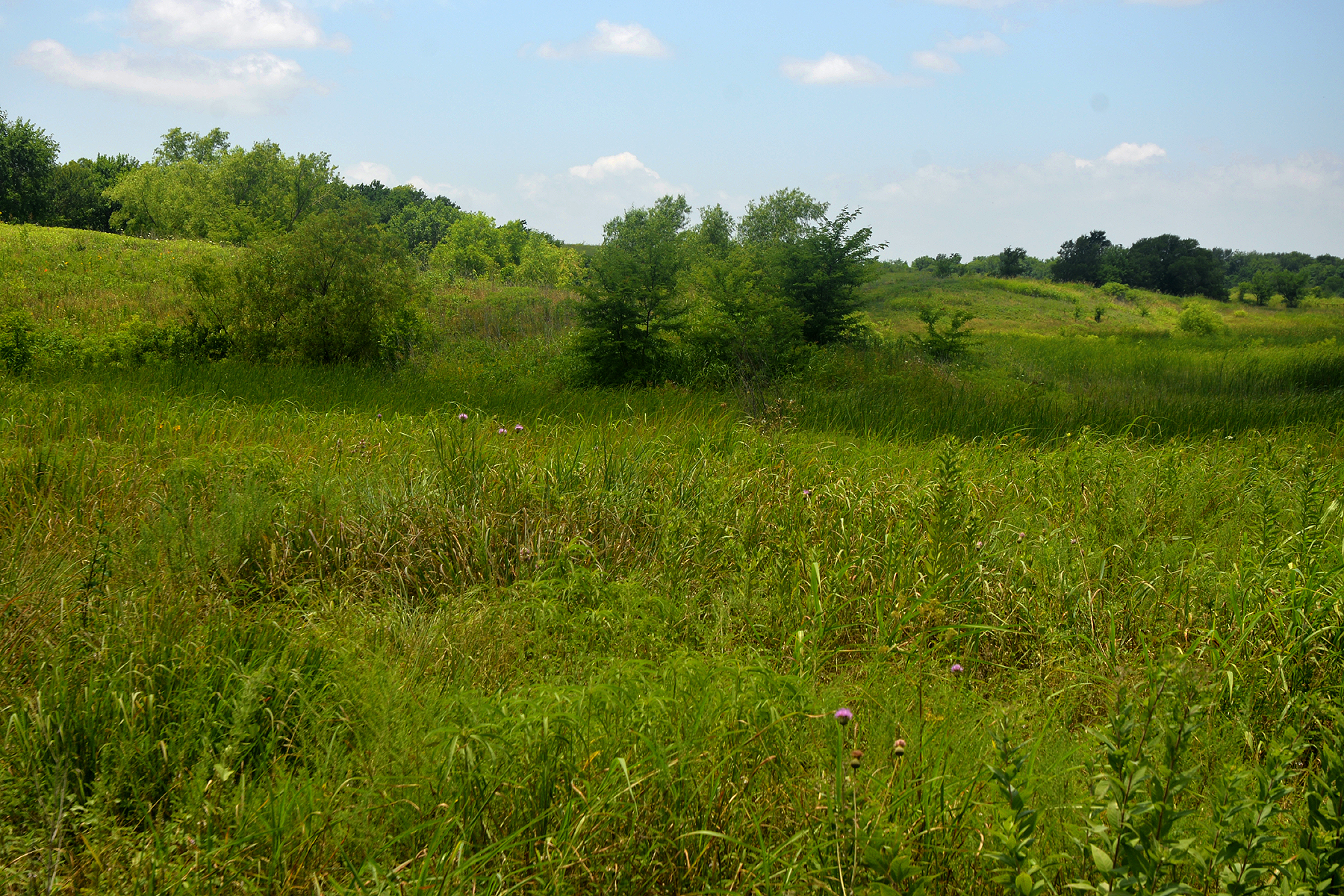
Left alone, Texas pasture doesn’t stay pasture for long — cedar and brush move in fast, and grazing land turns into scrubland within a few seasons. Regular mowing keeps pasture in grass instead of cedar, and keeps it that way year after year instead of needing a full re-clear every few years.
Healthier Grass, Lower Long-Term Cost, Better Land to Work
Well-maintained pasture supports more livestock and carries a higher agricultural value than land that’s been allowed to scrub over. Mowing on a regular schedule is also far cheaper over time than letting brush take hold and needing a full clearing project down the road — a little maintenance now saves a much bigger job later. And open, grazable pasture is simply more pleasant land to work, whether you’re running cattle, riding, or just enjoying the view.
How Pasture Mowing Works
- Assess the pasture — We check density, cedar/brush regrowth, and terrain to size the right equipment.
- Set a mowing pattern — Passes planned around fence lines, gates, and any areas to leave standing.
- Mow to height — Cut to the height that controls brush without stressing grass stands.
- Clear debris — Cuttings left to break down as mulch, or cleared depending on the job.
- Schedule the next pass — One-time or set on a recurring schedule to keep cedar and brush from coming back.
What We Handle
- Routine and seasonal pasture mowing
- Cedar and brush regrowth control
- Fence line and perimeter mowing
- One-time or scheduled recurring service
- Coordination with grazing or rotation schedules
Send us a message and we’ll set up a mowing schedule that keeps your pasture working for you, not against you.
