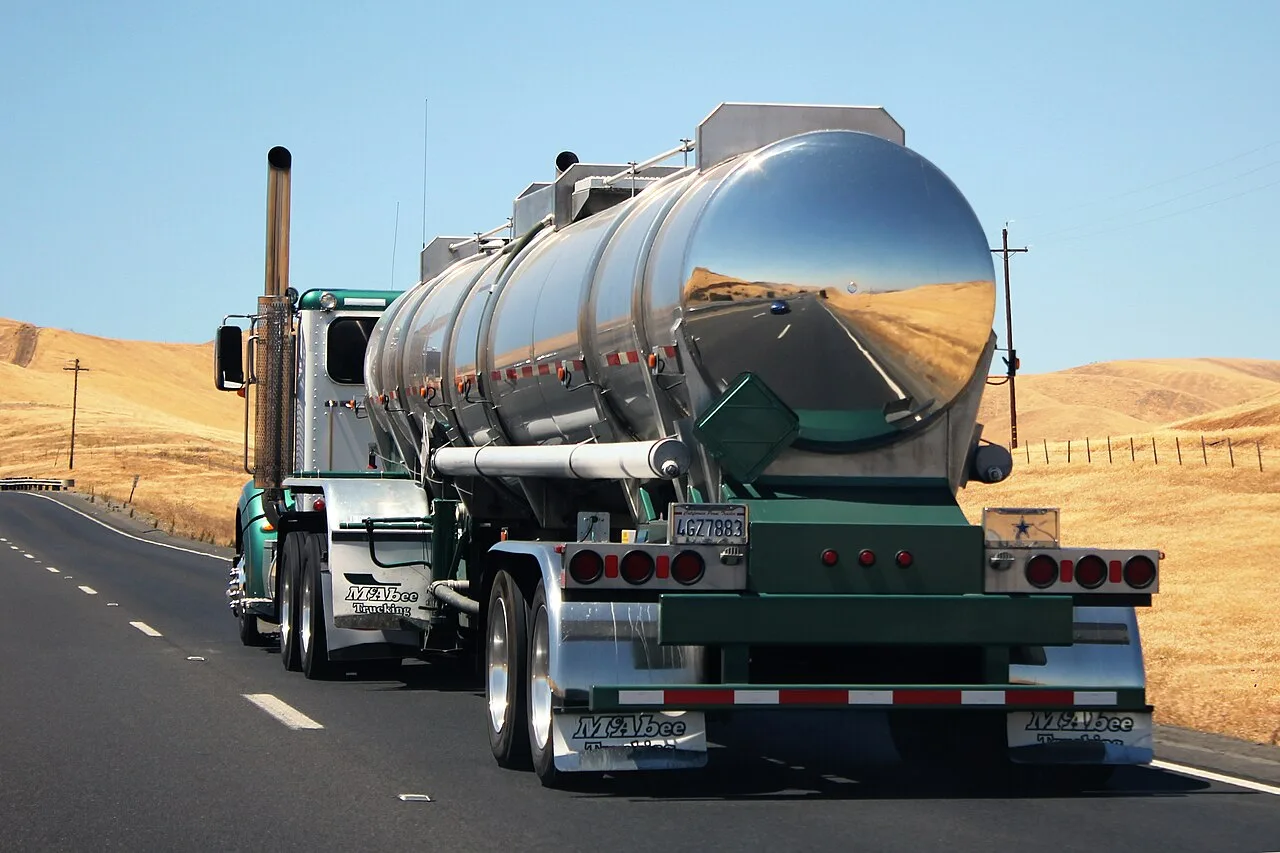
If you’ve filled up a work truck lately, you already know: diesel is expensive again. As of October 5, 2026, the U.S. average for on-highway diesel was $6.20 a gallon, and the Gulf Coast average, which covers Texas, was $5.82. A year earlier those same numbers were $3.71 and $3.36. That’s a jump of roughly two-thirds in twelve months (U.S. Energy Information Administration).
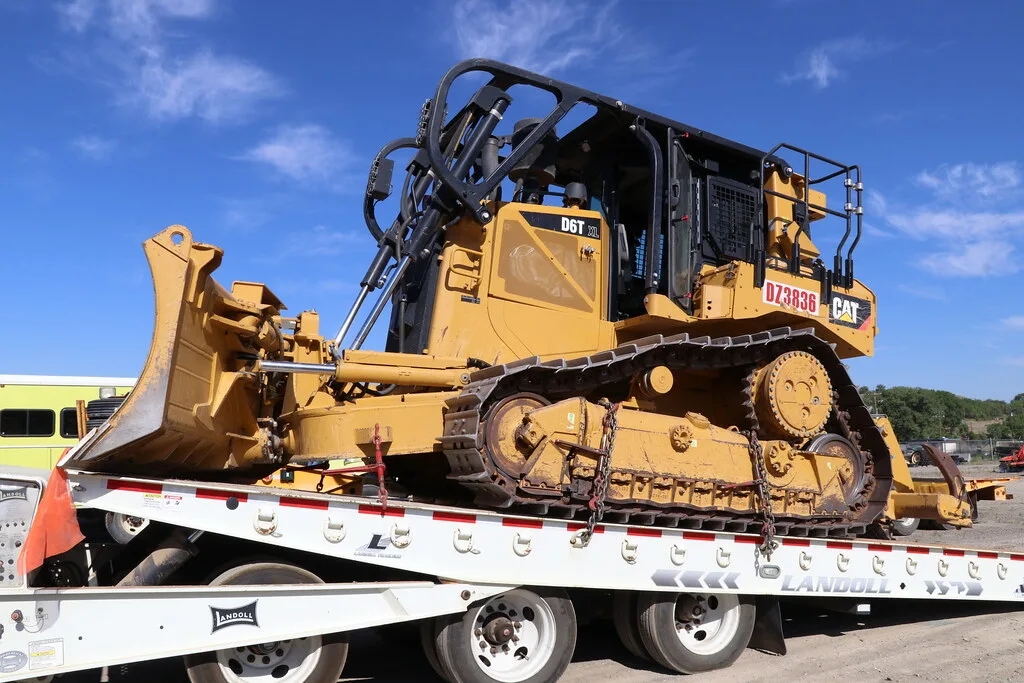
Diesel runs almost everything in our world: the dozers, mulchers and excavators that clear land, the trucks that haul them to your property, and the trucks that deliver every load of rock, culvert pipe and fence material after that. Here’s how the price spike is rippling through land and transportation costs in Texas, and what you can do to keep your land clearing project affordable.
How We Got Here: Diesel Prices in 2026
Diesel started 2026 near $3.48 a gallon nationally. Then, in early March, conflict in the Middle East sent prices up almost a dollar in a single week, from $3.90 to $4.86, the largest weekly jump on record. Prices eased a little over the early summer before climbing again to a 2026 peak of $6.53 the week of September 21. They’ve come down slightly since, but they remain far above last year.
| Week of | U.S. average | Gulf Coast (incl. Texas) |
|---|---|---|
| Oct 6, 2025 | $3.71 | $3.36 |
| Jan 5, 2026 | $3.48 | $3.17 |
| Mar 9, 2026 | $4.86 | $4.63 |
| Sep 21, 2026 (peak) | $6.53 | $6.18 |
| Oct 5, 2026 | $6.20 | $5.82 |
What It’s Doing to Trucking and Transportation
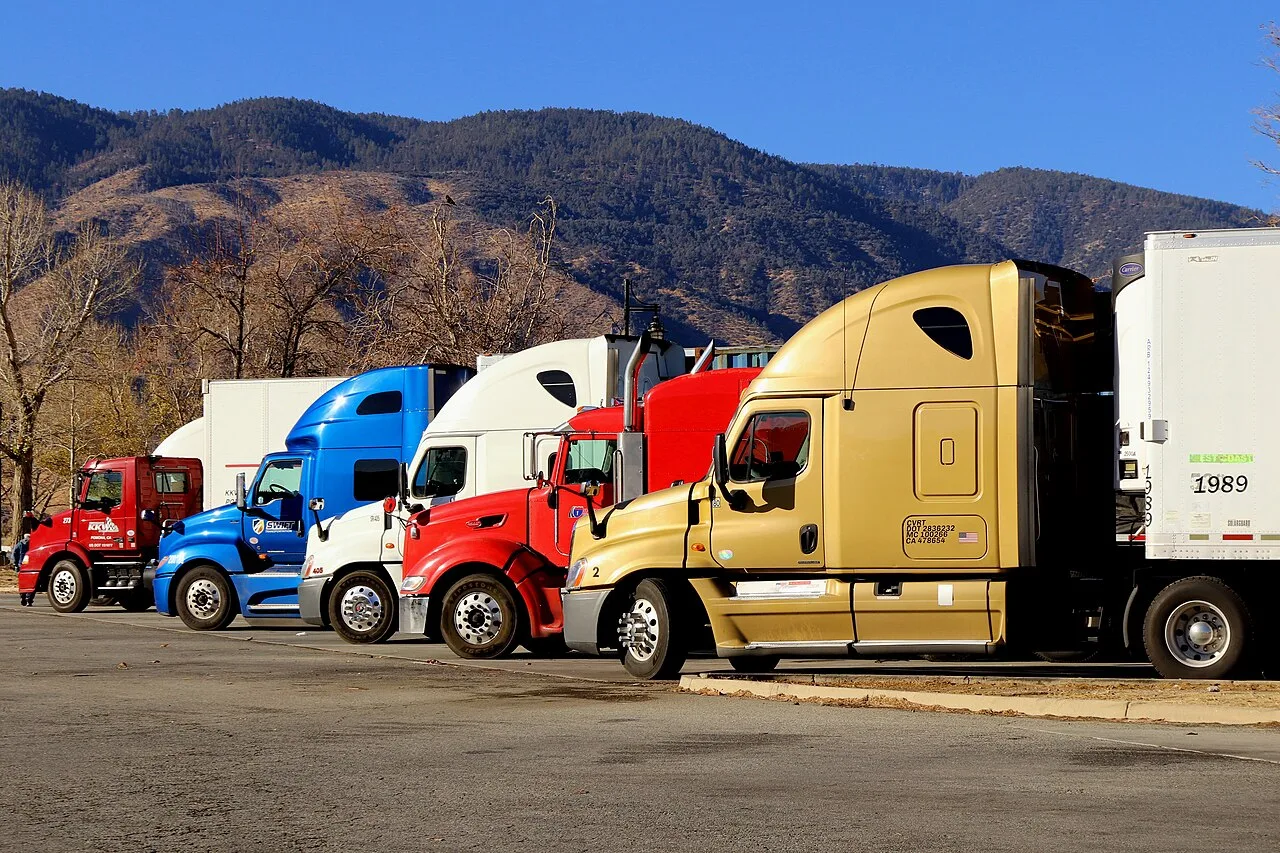
Fuel is one of a trucking company’s biggest expenses, so freight rates follow diesel closely. In the first quarter of 2026, shippers’ freight spending jumped 21.8% compared with a year earlier even though shipment volume barely moved, according to the U.S. Bank Freight Payment Index (FreightWaves). Some smaller carriers have parked trucks rather than run loads at a loss, which tightens capacity and pushes rates up further.
For landowners, that shows up in places you might not expect: higher delivery charges on base rock and road material, pricier hauling for equipment, and fuel surcharges on just about every invoice that involves a truck.
What It’s Doing to Land Clearing and Site Work
Construction and site work are among the industries hit hardest. The Associated General Contractors of America reports that the producer price index for diesel fuel rose 77.8% between August 2025 and August 2026, and overall construction input costs climbed 8.9%. In AGC’s latest member survey, 55% of contractors said they’d had projects canceled, postponed or scaled back in the past six months, and about a third of them blamed rising costs (AGC).
Land clearing feels it twice: once in the fuel the machines burn on site, and again in the fuel it takes to get them there. Here’s a rough illustration of how that adds up for one machine at Gulf Coast prices:
- On site: a mid-size forestry mulcher burning about 6 gallons an hour for an 8-hour day uses around 48 gallons. At last year’s $3.36 that was about $161; at $5.82 it’s about $279, an extra $118 per machine, per day.
- Getting there: a truck and trailer hauling equipment 150 miles round trip at 6 miles per gallon burns about 25 gallons, roughly $146 today versus $84 a year ago.
These are illustrative estimates. Actual fuel burn depends on the machine, the terrain and how dense the brush is.
The good news is that a lot of the cost in a clearing job is in how it’s planned, and that’s something you control.
7 Ways to Make Land Clearing More Cost-Effective
1. Mulch in place instead of pushing, piling and hauling
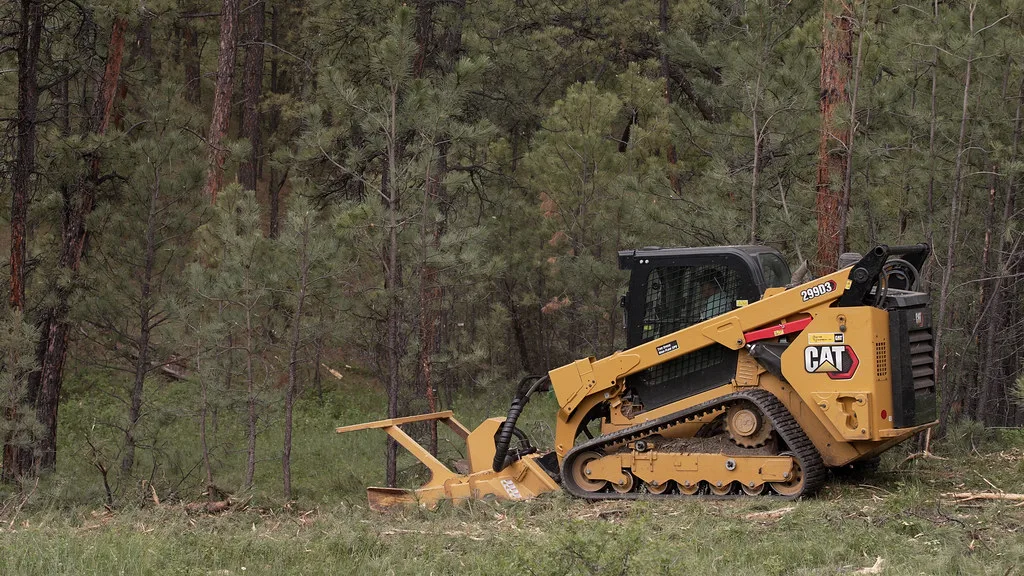
Traditional clearing often means a dozer pushes trees into piles, then the piles get burned or loaded onto trucks and hauled away. Every one of those steps burns diesel. Forestry mulching does the cutting, grinding and spreading in a single pass with one machine, and nothing leaves the property. The mulch layer also protects your soil from erosion and helps hold in moisture during a Texas summer.
2. Tackle cedar before it gets bigger
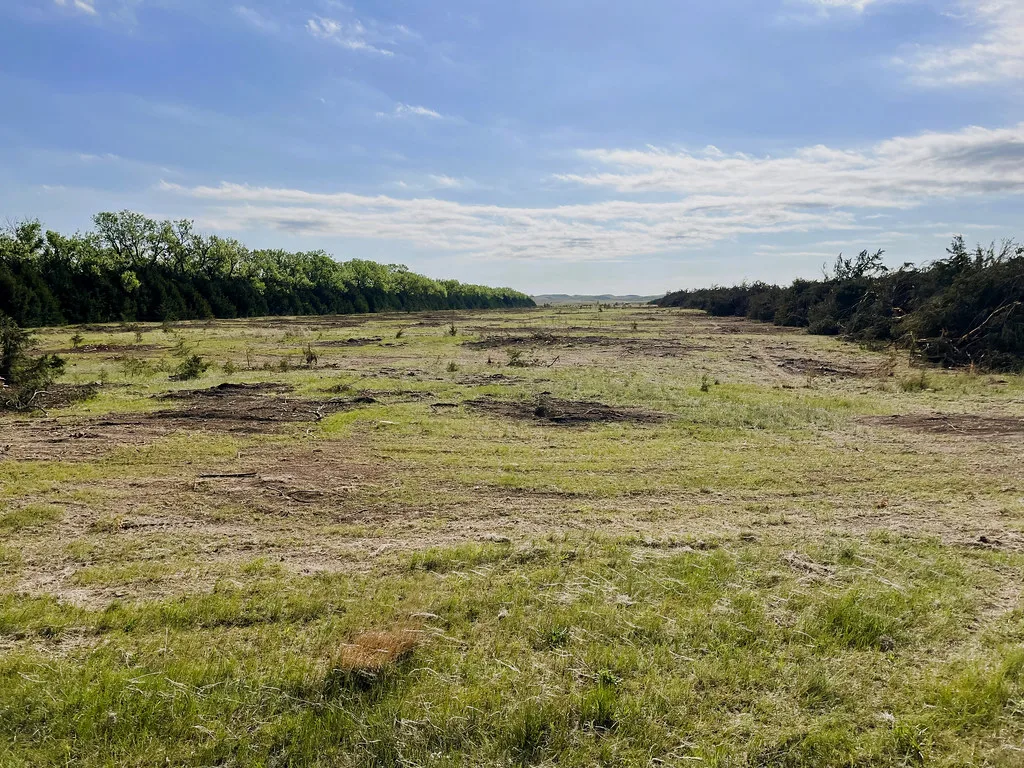
Ashe juniper, the “cedar” that covers so much of the Hill Country, spreads fast and gets more expensive to remove every year it’s left alone. Small cedar can be mulched quickly; mature stands take more machine hours and more fuel. One helpful fact: Ashe juniper doesn’t resprout from the stump when it’s cut below its lowest green branches, so a good cedar removal or cedar mulching job stays done. After that, a light follow-up pass every few years to catch seedlings costs far less than clearing a full stand again.
3. Clear selectively
You probably don’t need every acre scraped to bare ground. Decide what you’re clearing for (a home site, a driveway, pasture, a fence line or better views) and clear just that. Keeping healthy oaks and other shade trees saves machine time and adds value to the property.
4. Get the most out of every mobilization
Moving heavy equipment is one of the most fuel-hungry parts of the job, and you pay for it whether the machine works one day or five. Bundle your projects into one visit: clear the home site, cut the driveway, grind the stumps and open the fence line while the equipment is already there. If your neighbors need work done too, ask about scheduling back-to-back jobs so the mobilization cost can be shared.
5. Be flexible on timing
If your schedule allows, let your contractor fit you in when they’re already working nearby. Fall and winter are also a great time for cedar clearing in Central Texas: it’s cooler for the equipment and crew, and it keeps you clear of the spring months when Texas forestry experts advise against wounding oaks because of oak wilt.
6. Prep the site before the crew arrives
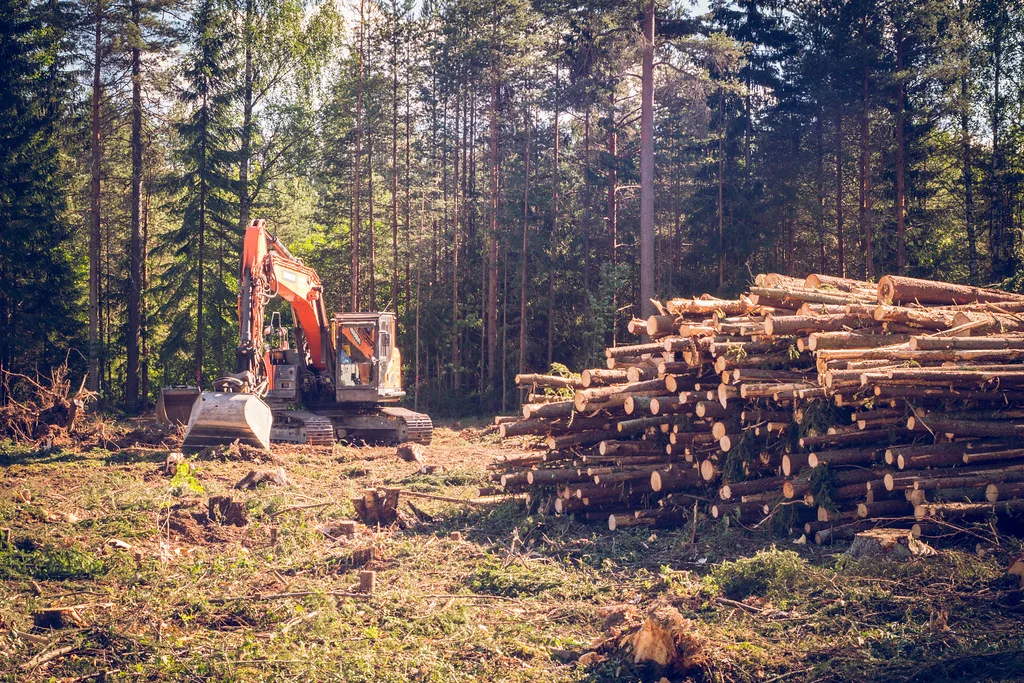
Idle time still burns fuel and still costs money. Before the job starts, mark your property lines and the areas you want cleared, flag any trees you want to keep, call 811 to locate buried utilities, and make sure the gate and access road can handle a truck and trailer. A clear plan on day one keeps the machines working instead of waiting.
7. Ask for clear pricing up front
Ask whether your quote is per acre, per hour or per job, how mobilization is charged, and whether a fuel surcharge applies. A firm, written quote protects you from surprises if prices move again before your project starts. Our cost to clear land in Texas guide explains what drives pricing.
The Bottom Line
Nobody can control what diesel does next. But you can control how efficiently your land gets cleared. Mulching in place, removing cedar early, clearing only what you need and bundling the work into one visit will do more for your budget than waiting for diesel to come back down.
Ready to plan your project? Contact iLandClearing for a free estimate on forestry mulching, cedar removal and land clearing across Texas.
